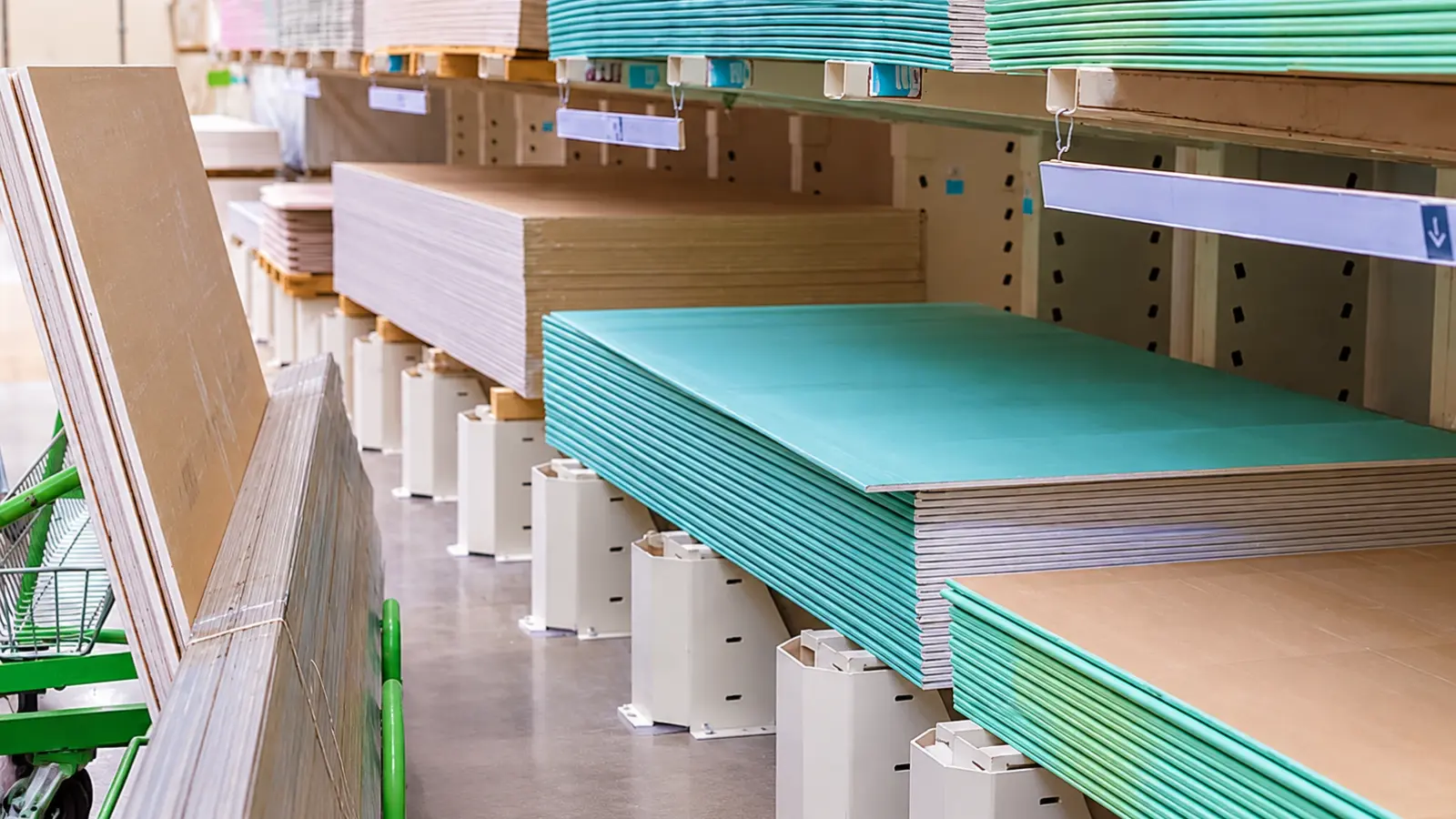

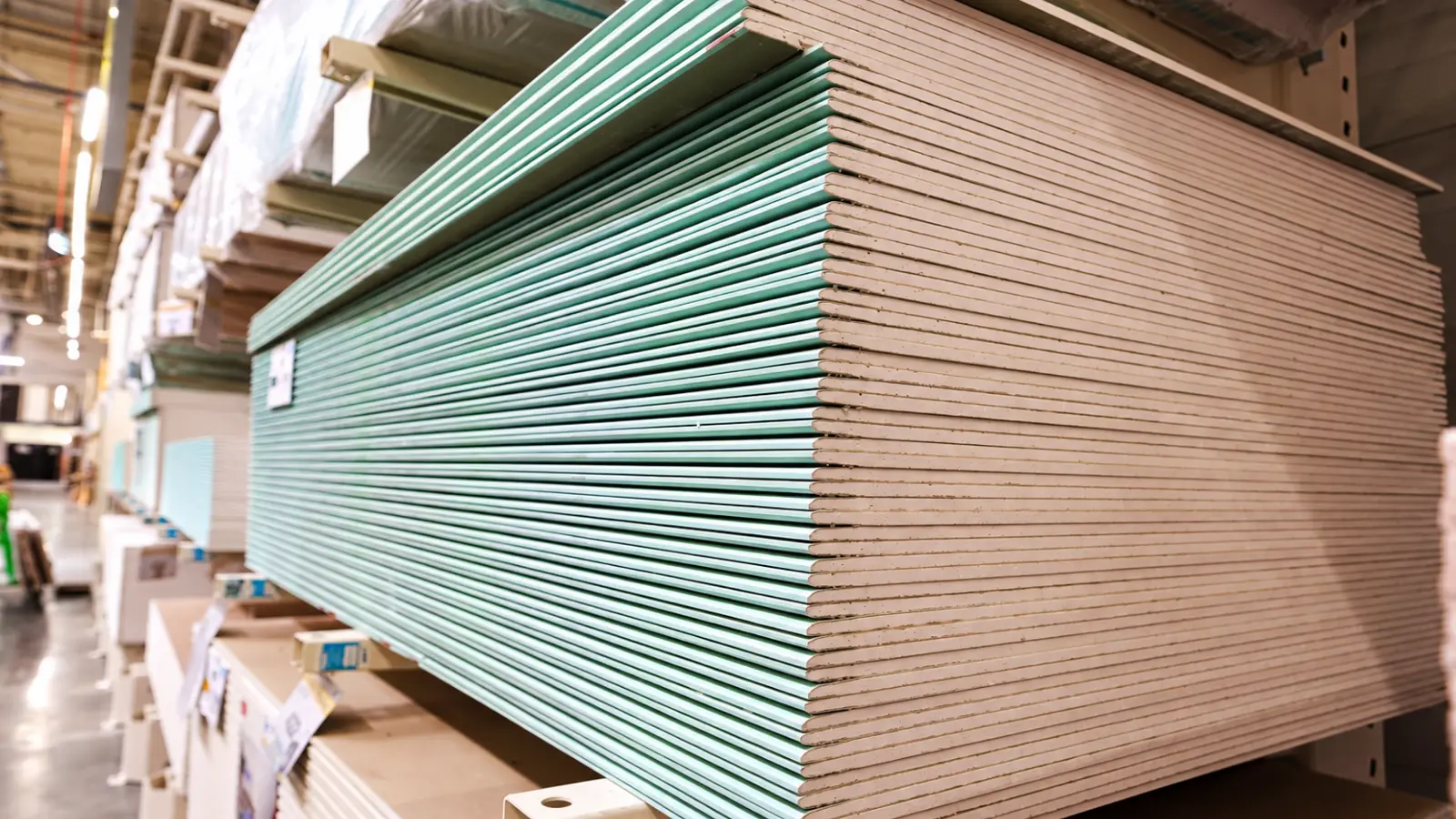
Sheetrock and drywall are often used to describe the same material found on interior walls and ceilings, but the terms are not technically identical. Drywall is the general name for gypsum-based wall panels, while Sheetrock is a specific brand manufactured by USG.
For most homeowners, the distinction matters less than choosing the right panel for the job. This guide explains the difference between Sheetrock and drywall, how related terms like gypsum board and wallboard fit in, and what to compare when buying new panels or matching an existing wall or ceiling.
What Drywall, Sheetrock, Gypsum Board and Wallboard Mean
These terms overlap because they come from different settings: everyday speech, trade talk, product literature and industry standards. The Gypsum Association defines gypsum board as a panel product with a noncombustible core made primarily of gypsum and paper surfacing. National Gypsum’s glossary adds that the same product is also called drywall or wallboard.
| Term | How It Is Usually Used | What It Tells You |
|---|---|---|
| Drywall | Everyday U.S. name for these panels, and for the work of hanging and finishing them | The broad category, not a specific product |
| Sheetrock® | USG brand name, often used informally for any drywall | A brand only when it refers to a USG product |
| Gypsum board | Technical, specification and manufacturer language | The panel family, so check the product’s stated use |
| Wallboard | Another name for drywall or gypsum board | Usually the same panel, but check context |
| Plasterboard | More often heard in the U.K. and other countries, though it appears in some product language | Usually a gypsum panel, not wet plaster |
| Gypsum panel products | Broader industry term | Includes paper-faced board plus glass-mat and other panel types |
The last row is where people get tripped up. The Gypsum Association treats gypsum board as one kind of gypsum panel product, and ASTM C1396, the specification that covers gypsum board, goes beyond interior wall panels. It also covers ceiling board, water-resistant backing board for tile and exterior sheathing. So “gypsum board” on a label does not automatically mean a panel for finishing a living-room wall. Read the stated use.
Why the Names Get Mixed Up
Sheetrock® is a trademark, and brand names that dominate a category tend to become the everyday word for the whole category. Retail adds another layer. The aisle sign may say drywall, while the package carries a brand, a thickness and a type designation. All of them describe the same product at different levels of detail: the broad name helps you find it, and the label tells you what it is.
Is Sheetrock Better Than Other Drywall?
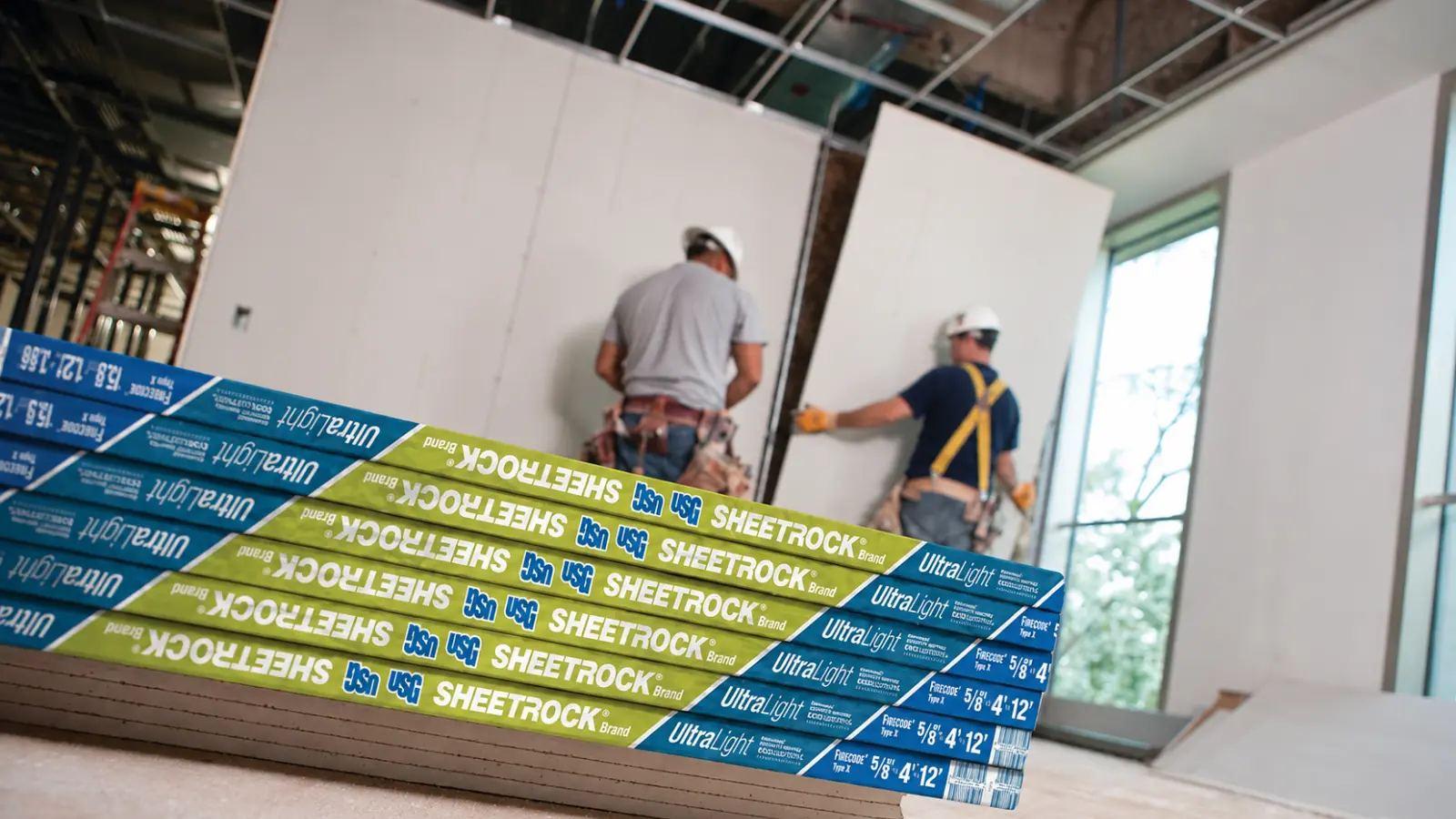
Sheetrock® is a brand, not a grade. USG sells a range of Sheetrock® products, from lightweight 1/2-inch panels for general walls and ceilings to 5/8-inch Firecode® X panels, so two panels carrying the same brand can do very different jobs. Other manufacturers, such as National Gypsum with its Gold Bond line, make panels in similar categories, and the Gypsum Association says gypsum panel products are manufactured in accordance with ASTM standards.
That means a brand name alone does not tell you which panel is right for your project. Compare the specification instead, and match what is already in the wall. This guide does not rank brands.
What to Compare When Choosing a Panel
Once you know the names overlap, compare the features that affect the actual job. This matters most when you are replacing a section rather than filling a small surface mark.
| Compare This | Why It Matters | Do Not Assume |
|---|---|---|
| Intended location | A dry room, a bathroom wall and a wet shower assembly are different conditions | That any panel called drywall belongs in every area of a bathroom |
| Thickness | Affects fit, handling, support and assembly requirements | That one thickness suits all walls and ceilings |
| Panel size | Affects seam layout, transport, lifting and waste | That a larger panel is easier for a one-person repair |
| Panel type | Moisture-resistant, abuse-resistant, sound-control and fire-resistance panels are designed for different jobs | That a color, brand or generic label explains the full performance |
| System requirements | Rated walls and ceilings depend on a tested combination of components | That one specialty panel alone creates a rating |
For ordinary dry interior work the choice is usually straightforward. It gets more specific when you are matching existing thickness, working overhead, dealing with moisture, or touching a wall or ceiling that may be part of a required assembly.
Warning
A fire-resistant panel is not a fire-rated wall or ceiling by itself. The Gypsum Association describes Type X panels as having core additives that increase fire resistance and says they are typically required to achieve a fire-resistance rating, but the rating belongs to a tested assembly. Where fire resistance or sound control is required, follow the applicable building code and the approved design instead of substituting by name.
Related: Types of Drywall and Drywall Sizes and Thickness
How to Tell What Is Already in Your Wall
You usually cannot identify the brand or type of installed drywall from the surface, because paint hides the printed markings. Do not cut open a wall just to find out. Drywall can conceal wiring, pipes and ducts.
Safer ways to learn more:
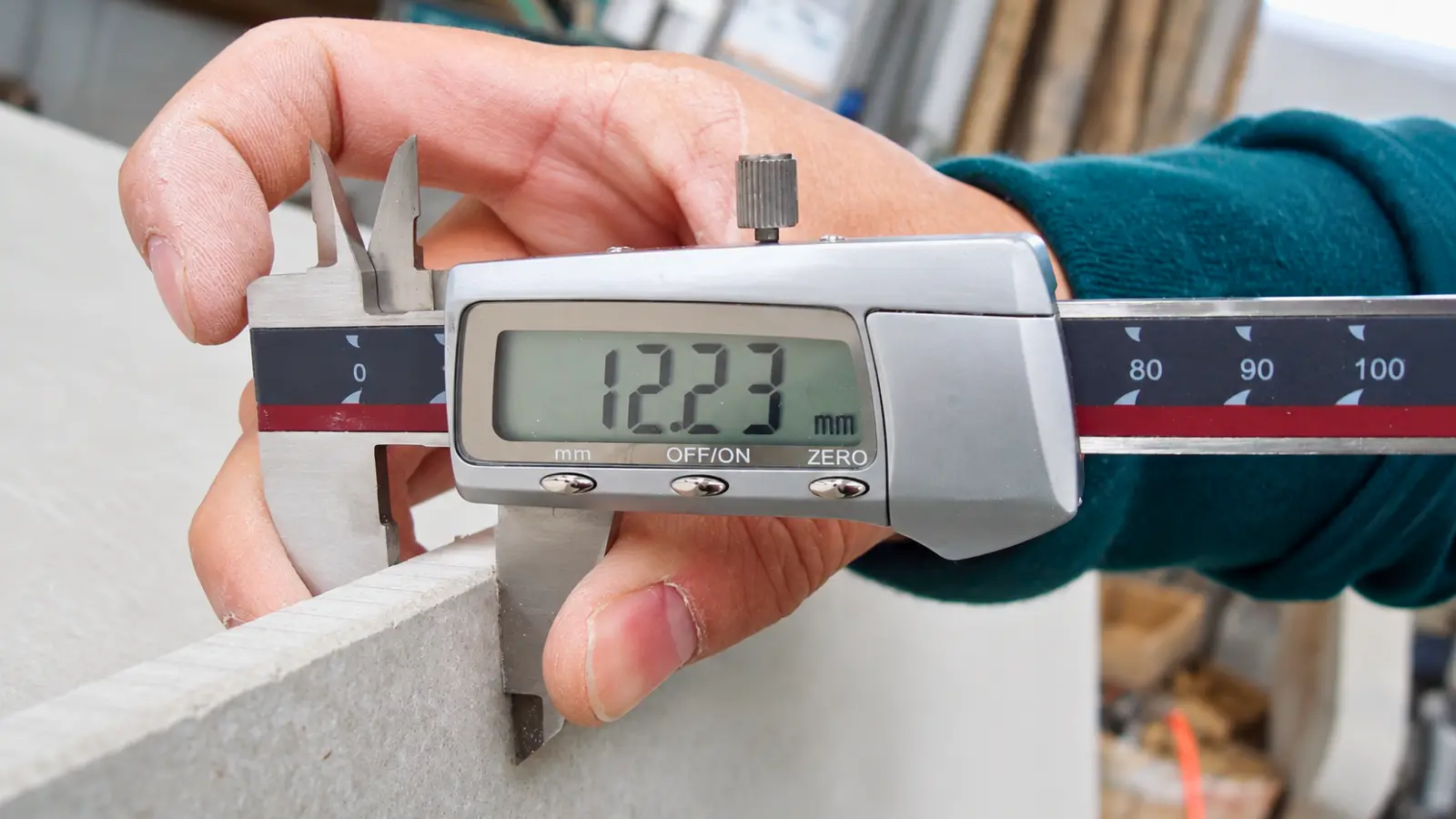
- Measure thickness at an existing hole or exposed edge.
- Check original plans, renovation records or seller and builder documents.
- On unfinished new panels, read the edge printing. Some panels, including USG Firecode® X, print a type designation along the long edge.
If a wall or ceiling may be part of a fire-resistance design, for example one shared with an attached garage or another dwelling unit, ask your local building department before choosing a substitute. In an older home, read the notes on lead paint and asbestos in the drywall guide before cutting or sanding.
Before You Buy: Swap the Name for Details
“I need Sheetrock for the bathroom” leaves too much unanswered. Before buying, settle these:
- Where does the panel go: a dry wall, a ceiling, or near a tub or shower?
- What is there now, and how thick is it, if you are matching a repair?
- What does the label say about the panel’s type and intended use?
- Is the wall or ceiling part of a rated assembly or subject to a local requirement?
Then pick a repair method that fits the size and cause of the damage. Our Drywall Repair Hub is the place to start.
The Right Drywall Choice Goes Beyond the Name
Sheetrock is a brand of drywall, not a separate building material. While the names are often used interchangeably, what matters for your project is the panel’s thickness, type, intended application and compatibility with the existing wall or ceiling system.
Whether you choose Sheetrock or another manufacturer’s drywall, compare the actual product specifications rather than relying on the brand name alone. For a broader understanding of panel selection, installation, repairs and finishing, explore our complete Drywall Guide.
Frequently Asked Questions
Is Sheetrock the same as drywall?
Yes, in everyday conversation, but there is a technical distinction. Drywall is the general term for gypsum panels used on interior walls and ceilings, while Sheetrock® is a brand manufactured by USG. All Sheetrock drywall panels are drywall, but not all drywall is Sheetrock.
Is Sheetrock better than regular drywall?
Not necessarily. Sheetrock is a brand, not a separate grade of drywall. Performance depends on the specific panel’s thickness, composition, intended use and installation requirements. Comparable products from different manufacturers may meet similar standards, so choosing the right specifications matters more than the brand name.
Is gypsum board the same as drywall?
In most residential applications, yes. Gypsum board is the technical term commonly used for paper-faced drywall panels. However, the broader category includes specialized products for applications such as ceilings, tile backing and exterior sheathing. Always check the manufacturer’s specifications before selecting a panel.
Are wallboard and plasterboard the same as drywall?
Wallboard is commonly used as another name for drywall or gypsum board. Plasterboard generally refers to the same type of gypsum panel and is especially common terminology outside the United States. These names describe similar materials, but the exact panel type and intended application can vary.
Can you use Sheetrock and other drywall brands together?
Yes, different drywall brands can generally be used in the same project when their specifications are compatible. For repairs, match the existing panel’s thickness and choose a product suitable for the location. Fire-rated walls and ceilings require materials and installation methods that comply with the approved assembly.
What should I look for when buying drywall or Sheetrock?
Check the panel’s thickness, dimensions, intended location and performance requirements. Standard drywall may suit dry interior walls, while bathrooms, ceilings and fire-rated assemblies can require different specifications. Manufacturer instructions and applicable building codes should guide the choice rather than the brand name alone.